Capturing the hidden hemisphere
Because the Moon is tidally locked in synchronous rotation, it continuously presents the same familiar nearside to observers on Earth. However, images captured from lunar orbit offer a clear view of the opposite hemisphere. A detailed picture featured as an astronomy photograph showcases a mosaic centered squarely on the lunar farside.
The featured image was compiled using data from the Lunar Reconnaissance Orbiter’s wide angle camera. It forms part of a comprehensive global mosaic constructed from more than 15,000 individual images gathered between November 2009 and February 2011. High-resolution versions of this global dataset are capable of resolving surface features at a scale of 100 meters per pixel.
Contrasting lunar surfaces
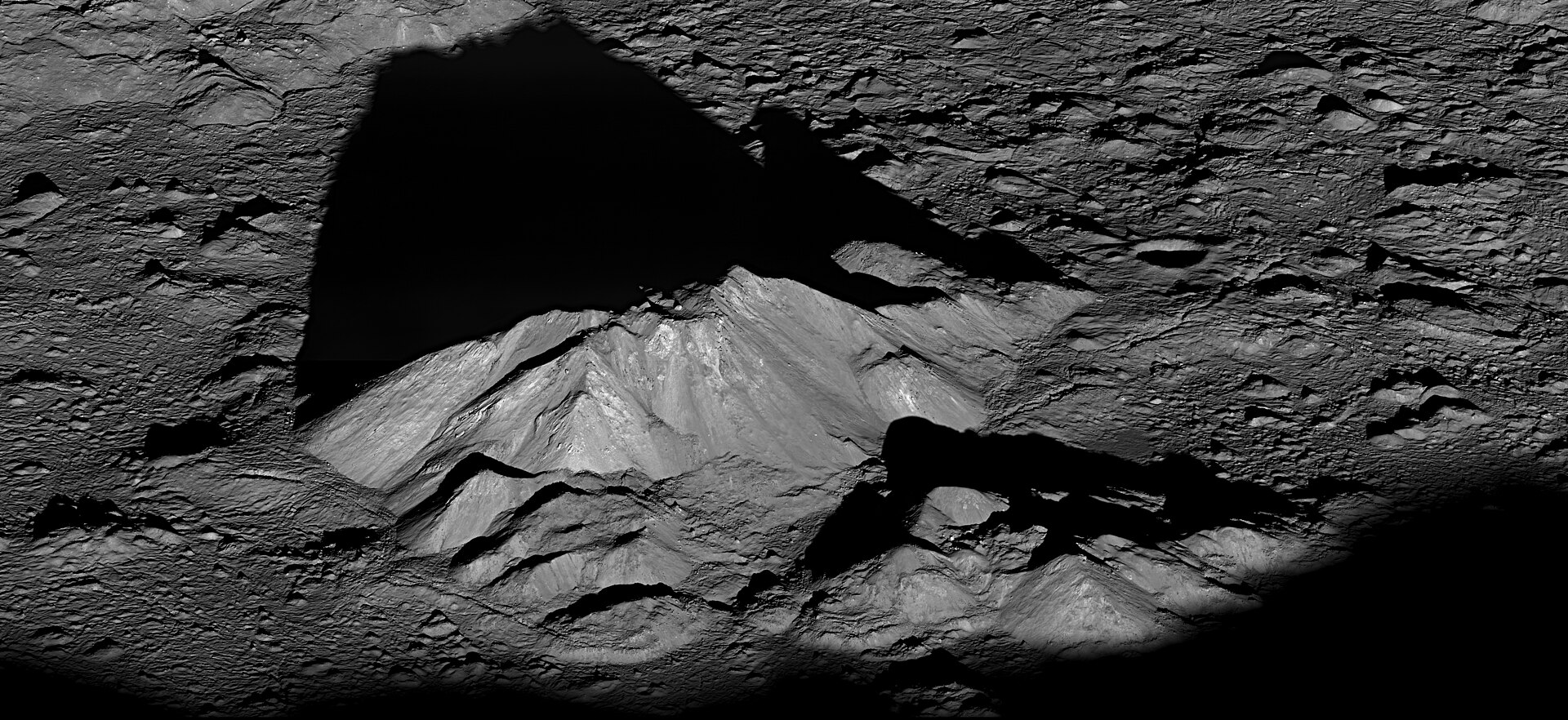
When compared directly with the Earth-facing hemisphere, the farside exhibits a markedly different appearance. While the nearside features extensive smooth and dark lunar maria, the farside displays a rough and heavily battered terrain.
Astronomers indicate that a likely explanation for this stark contrast lies in crustal thickness. The crust on the lunar farside is understood to be thicker than that of the nearside, which prevented molten material from the lunar interior from easily flowing to the surface to create the smooth, dark plains seen on the Earth-facing side.