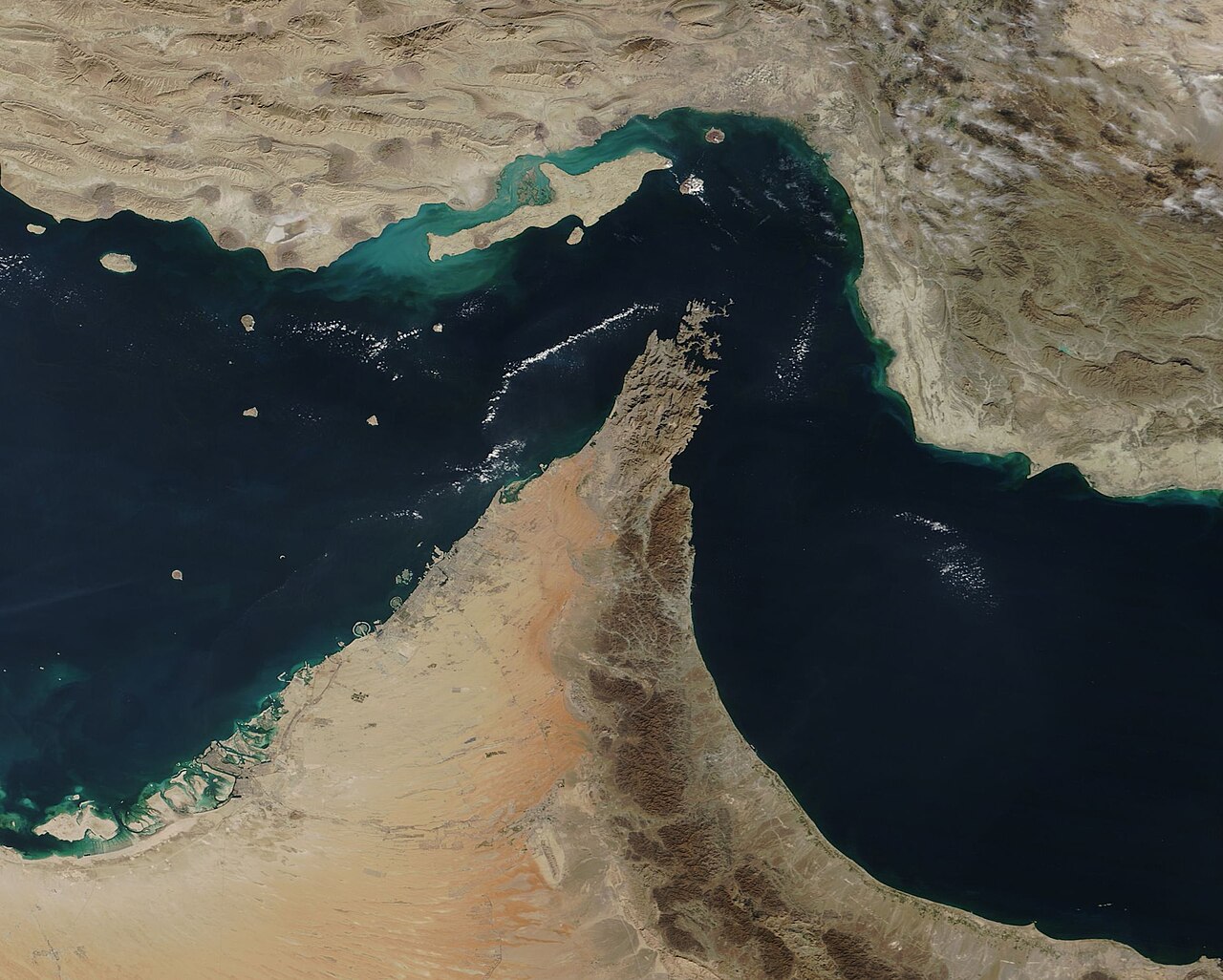
Iran says it has proposed an agreement to the United States that could reopen the Strait of Hormuz within seven days if Washington accepts conditions already set out in a June memorandum.
Foreign Minister Abbas Araghchi told reporters at the United Nations in New York that the proposal had been delivered to the US through Qatar. He said normal maritime passage could resume within a week if the required steps were taken.
A US official told the BBC that discussions through mediators were constructive and included nuclear issues, while also saying Washington did not consider itself under pressure to move quickly.
The BBC also reported that the Wall Street Journal, citing US officials, said President Donald Trump had rejected the proposal. The US had not issued a formal public response when the BBC report was published.
The June memorandum
The US and Iran signed a 14-point memorandum on 18 June that was intended to establish a ceasefire and partially reopen the strait.
According to the BBC, the agreement included a commitment that Iran would not acquire a nuclear weapon, provisions for an end to the US naval blockade and sanctions relief, and language calling on Iran to make arrangements for the safe passage of commercial vessels. It also called for talks with Oman over future shipping arrangements.
The agreement broke down after military strikes resumed.
Iranian President Masoud Pezeshkian told CBS News that Iran would allow UN nuclear inspectors back into the country if negotiations moved forward.
Shipping remains sharply reduced
Before the current conflict, roughly one-fifth of the world’s oil and liquefied natural gas moved through the Strait of Hormuz.
Shipping traffic has since fallen sharply. Data from Kpler cited by Reuters and the BBC showed a recent 10-day average of about 18 transits per day, with some days dropping to nine.
Iran has attacked vessels it says tried to cross without authorisation, while the US has struck Iranian sites in and around the strait and maintained a blockade of Iranian ports.
The proposal comes amid continuing military pressure and volatile energy markets. Its terms remain contested, and statements from Tehran and Washington are attributed to the officials making them rather than treated as independently established facts.